The Elements That Make Us
So, the next time you look up at the stars, remember: you're made of the same stuff they are.
The Elements That Make Us
Chlorine (Cl) 0.2%
Phosphorus (P) 1%
Calcium (Ca) 1.5%
Sulphur (S) 0.3%
Magnesium (Mg) 0.1%
Na Sodium (Na) 0.2%
Potassium (K) 0.4%
Hydrogen (H) 9.5%
Nitrogen (N) 3.2%
Oxygen (O) 65%
Carbon (C) 18.5%
Humans are composed primarily of six major elements that account for approximately 99% of the body's mass:
Oxygen (65%),
Carbon (18.5%),
Hydrogen (9.5%),
Nitrogen (2.6%),
Calcium (1.3%), and
Phosphorus (0.6%).
These elements form the foundational structures of life, including water, proteins, DNA, and bone tissue.
Five additional elements make up about 0.85% of body mass and are essential for physiological functions: Sulfur, Potassium, Sodium, Chlorine, and Magnesium.
Sulfur is critical for protein structure,
while Potassium, Sodium, and Chlorine regulate nerve signals and fluid balance.
Magnesium supports enzyme function and bone health.
The remaining mass consists of trace elements such as Iron, Zinc, Copper, and Iodine.
Iron is vital for oxygen transport in hemoglobin,
Zinc aids in cell repair and immune function,
and Iodine is necessary for thyroid hormone production.
Nearly all these elements were forged in ancient stars and dispersed through supernovae, meaning humans are literally made of stardust.
孝顺父母是你自己的事
与多个兄弟姐妹没有关系
Being filial to your parents is your own personal responsibility; it has nothing to do with how many siblings you have.
孝敬父母是你个人的责任,这与你有多少兄弟姐妹无关。
Xiàojìng fùmǔ shì nǐ gèrén de zérèn, zhè yǔ nǐ yǒu duōshǎo xiōngdì jiěmèi wúguān.
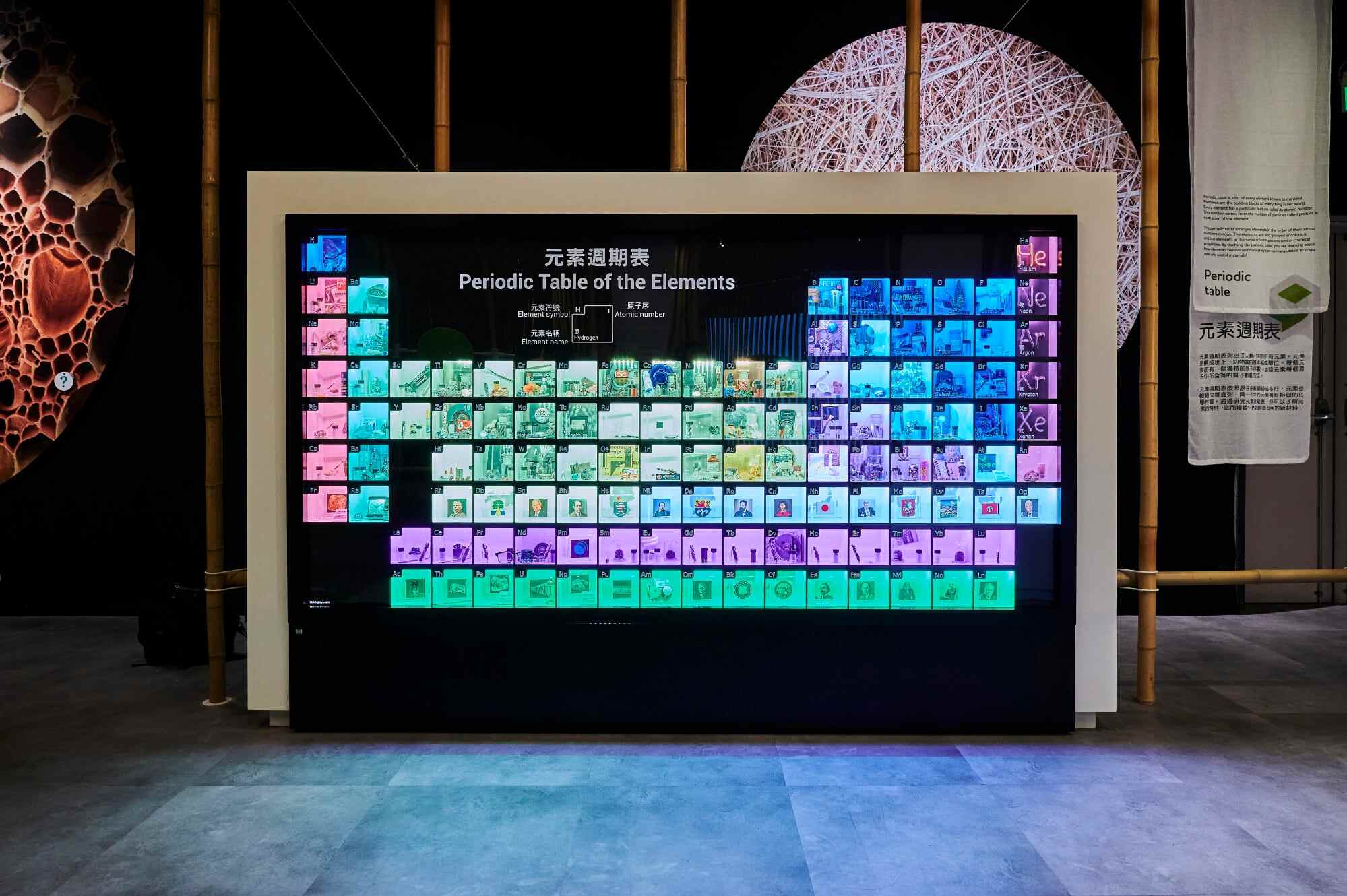
Examining the periodic table of elements and how they build life – and our bodies
Humans are made of many chemical elements that work together to create our complex bodies. The elements are like pieces of a puzzle, each playing a unique and essential role in maintaining our health.
At the heart of our biological composition are four elements: oxygen (O), carbon (C), hydrogen (H) and nitrogen (N). These account for 96.6 per cent of our body weight. These four elements work together to form the building blocks of life – they can create everything from proteins to DNA.
You might wonder why our bodies don’t just turn into gas, considering that we are mostly oxygen, hydrogen and nitrogen. That is because about 60 per cent of our body consists of water (H2O), which is made of oxygen and hydrogen atoms.
But these four elements cannot complete the whole puzzle of life. Our bodies require other elements, including non-metal elements such as phosphorus (P), sulphur (S) and chlorine (Cl), and metal elements like potassium (K), sodium (Na), calcium (Ca) and magnesium (Mg).
For example, calcium and phosphorus form a strong foundation for our bones and teeth, while potassium and sodium ensure that our muscles and nerves work well.

Scientists have found that our bodies need 28 different elements to function properly. These are almost one-quarter of the periodic table and are mainly found in the first four periods.
Of these, 11 are essential elements that our bodies need in larger amounts: oxygen, carbon, hydrogen, nitrogen, phosphorus, sulphur, chlorine, potassium, sodium, calcium and magnesium.
The remaining 17 are trace elements needed in very small quantities. For example, iron is necessary for producing haemoglobin, a protein found in red blood cells that carries oxygen from the lungs to the rest of the body. Zinc helps our cells work properly, grow and repair themselves. It also helps our bodies absorb nutrients from food and build proteins.
Surprisingly, our bodies are quite similar to the Earth we live on. The elements that are essential for human life are also found in the Earth’s crust.
The complex interplay of elements in the human body is a testament to how fascinating the natural world is. From the smallest trace elements to the largest building blocks, each piece of the puzzle is vital for creating and sustaining human life.
So the next time you look at the periodic table, remember that it is not just a chart of elements, but a blueprint for life itself.

No comments:
Post a Comment