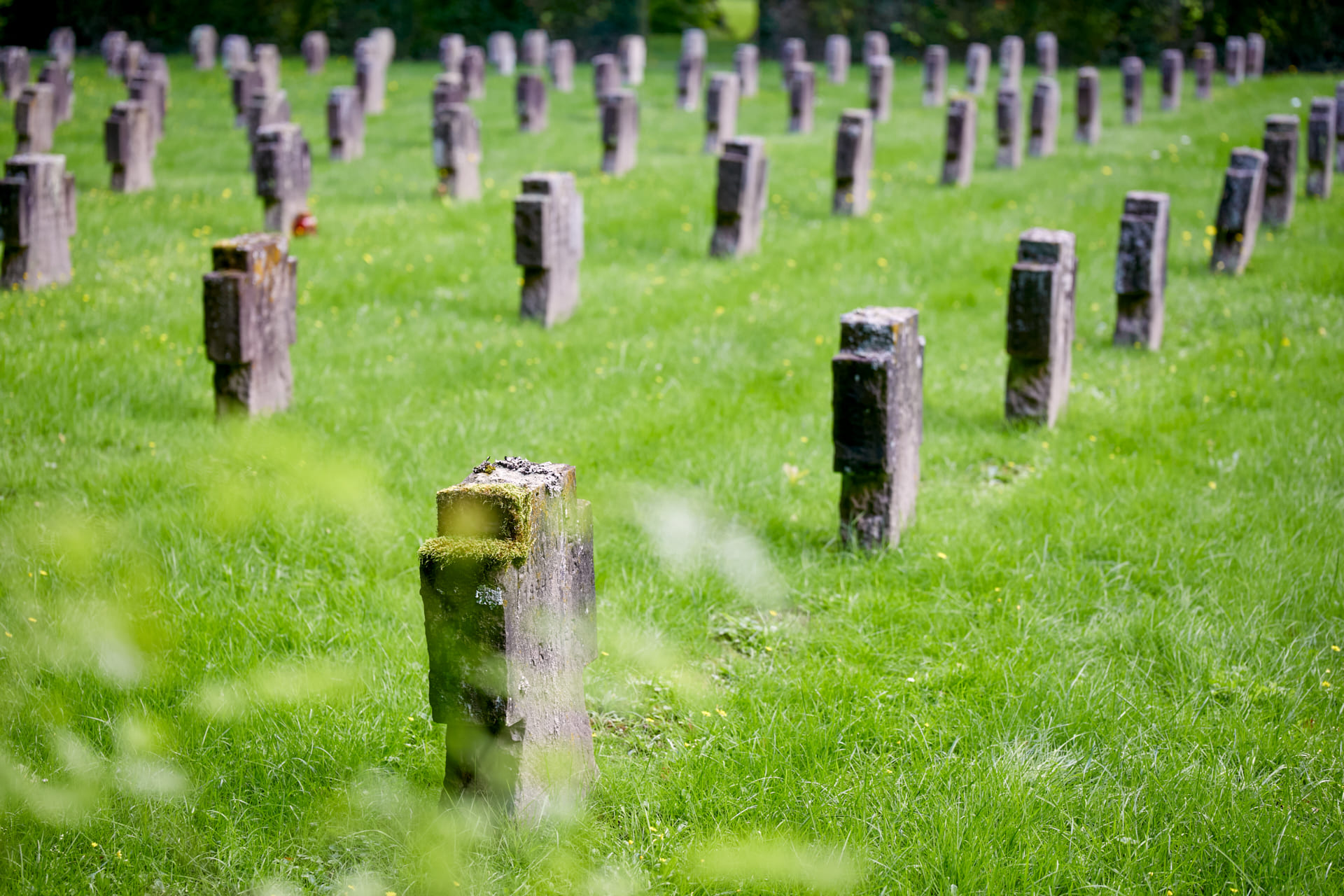
Cemeteries are not only the final resting
places for the deceased but also sites of
great architectural beauty and cultural
significance. From peaceful gardens to
majestic sculptures, these sanctuaries
offer a window to the past and a
reflection on life. Here, we explore ten
of the world’s most famous cemeteries,
known for their history, art, and the
stories of those who lie within them.
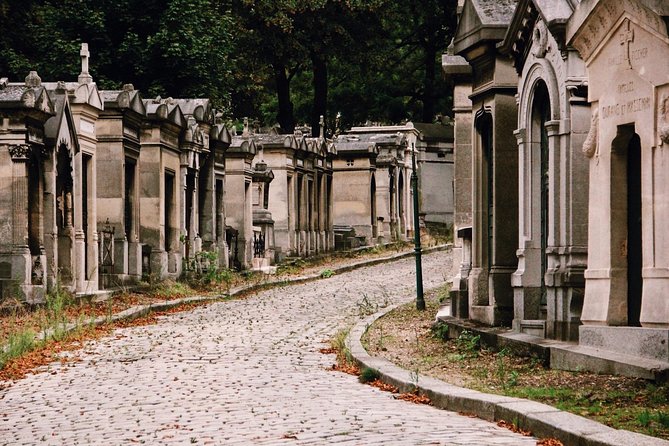
1. Père Lachaise – Paris,
France
This cemetery is the most visited in the
world and houses the tombs of iconic
figures such as Oscar Wilde, Jim
Morrison, and Edith Piaf. It is renowned
for its impressive garden design and
elaborate tombs and mausoleums.
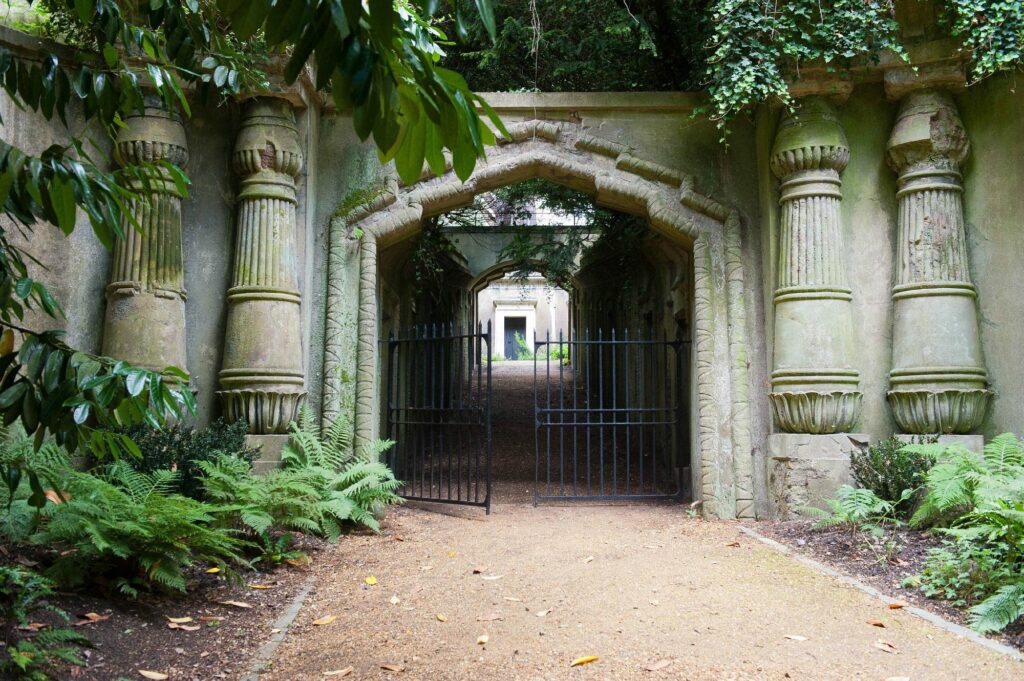
2. Highgate Cemetery –
London, England
With its gothic aura, Highgate serves both
as a resting place and a cultural point of
interest in London. It is the final resting
place of Karl Marx, George Eliot, and
numerous Victorian figures.
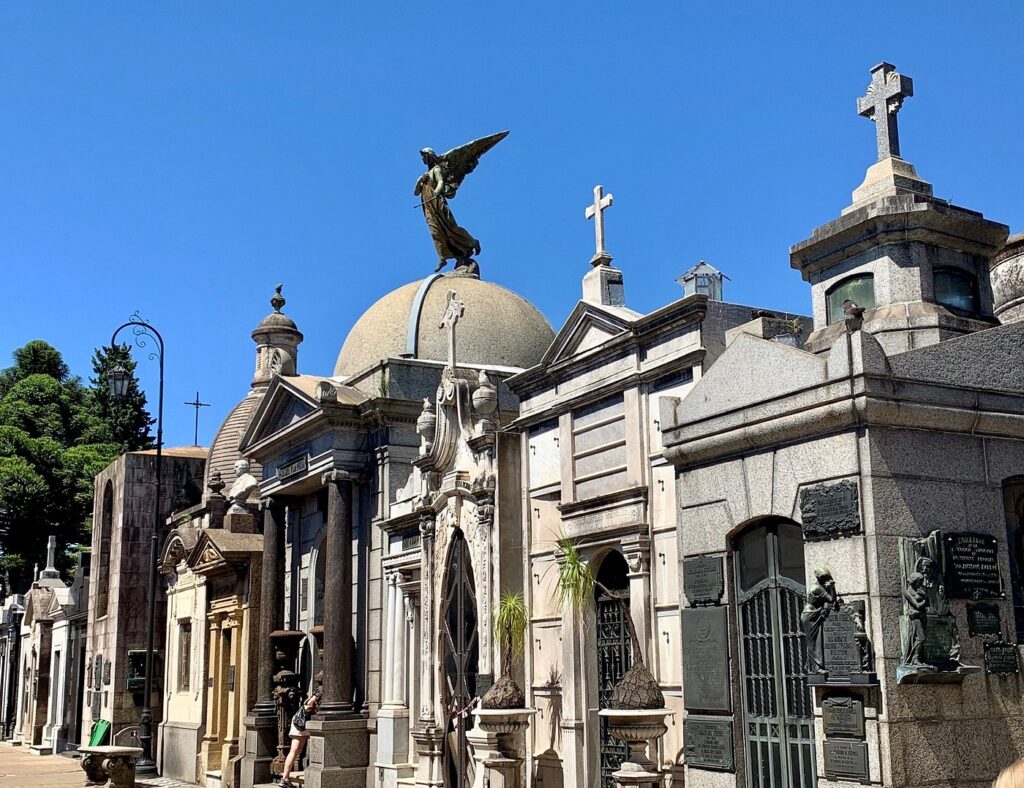
3. LaRecoletaCemetery
– Buenos Aires,
Argentina
Famous for its impressive mausoleums
and statues, it is the resting place of the
renowned Evita Perón, among other
notable Argentine figures.
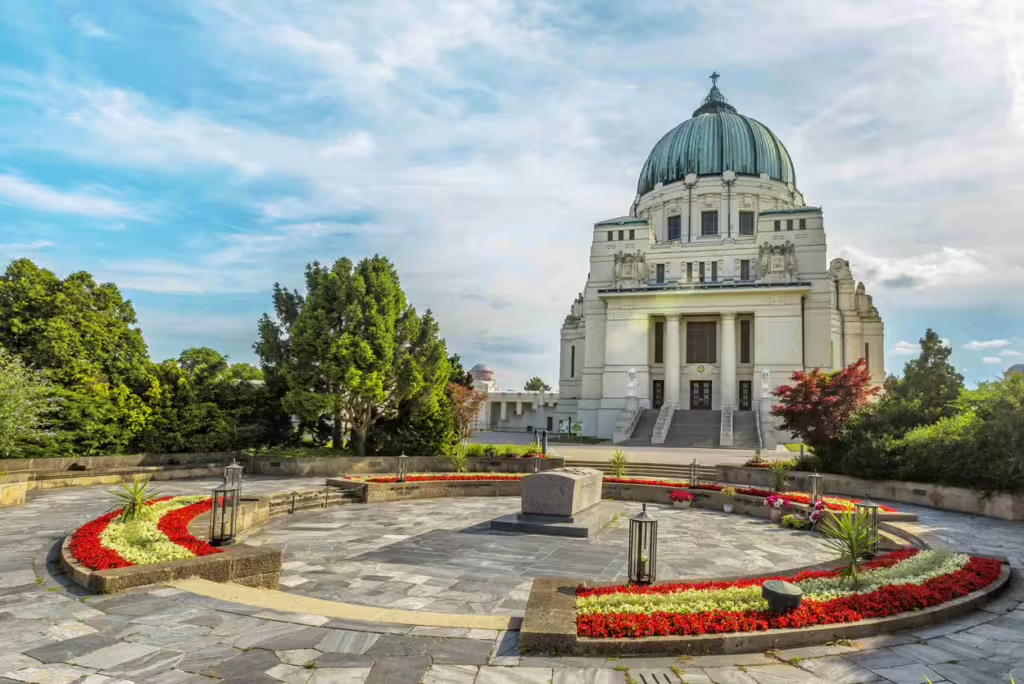
4. Central Cemetery –
Vienna, Austria
One of the largest cemeteries in Europe,
it is known for its magnificent
architecture and the famous musicians
buried there, such as Beethoven,
Schubert, and Johann Strauss.
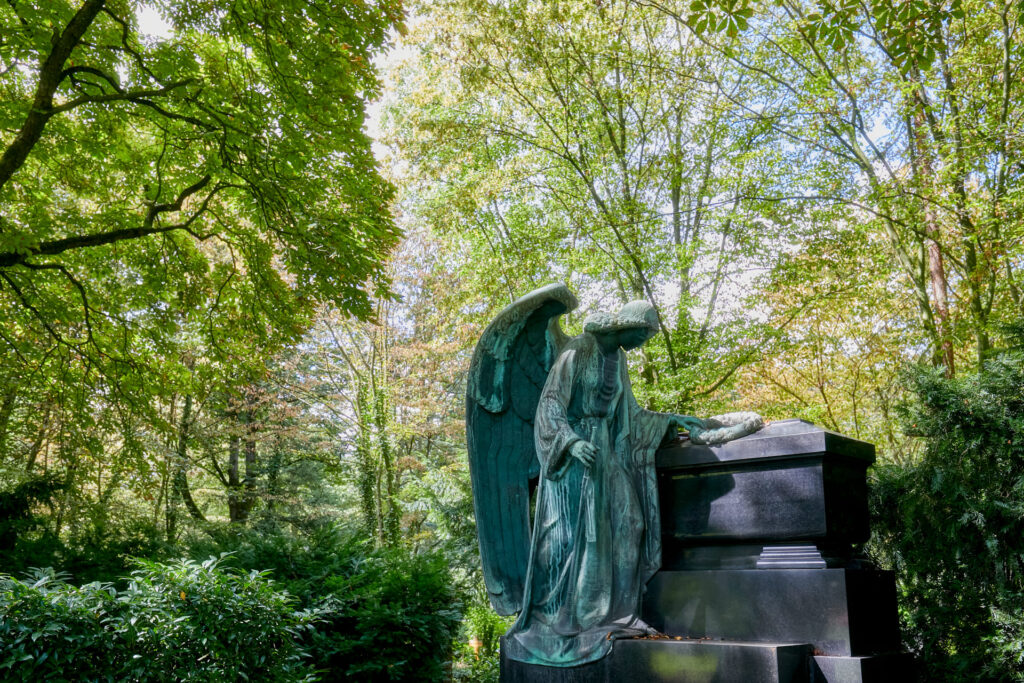
5. Melaten Cemetery –
Cologne, Germany
It stands out for its park-like layout, with
beautiful avenues lined with trees and
impressive sculptural monuments,
making it a site of great historical and
cultural value. You can take a virtual tour
of this cemetery with our
cementerios.online software at https://melaten.friedhofsplan.de/map/melaten-friedhof/Grabstatus.
6. Arlington National
Cemetery – Arlington,
Virginia, USA
This military cemetery is the resting place
of many American heroes, including
veterans from all the nation’s wars. It is
also home to the Tomb of the Unknowns.

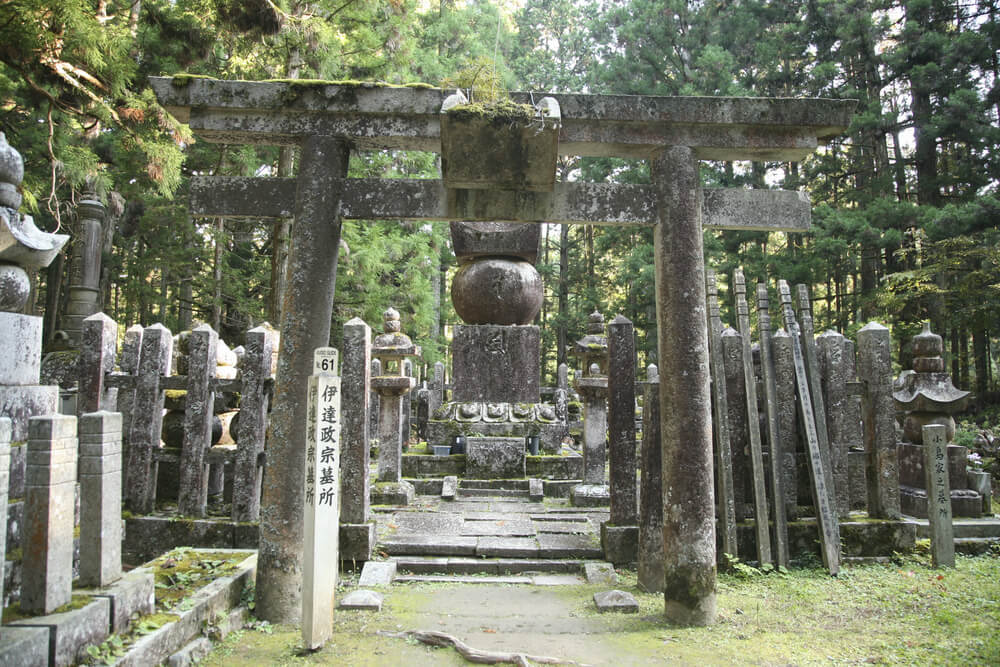
7. Okunoin Cemetery –
Mount Koya, Japan
It is the site of the mausoleum of Kobo
Daishi (Kukai), one of Japan’s most
venerated monks, and is the largest
and most sacred cemetery in Japan.
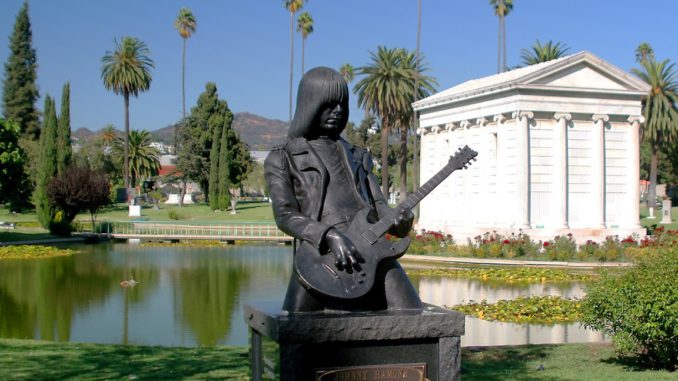
8. Hollywood Forever –
Los Angeles, California,
USA
The resting place of many Hollywood
legends, it is known for its cultural
events, including movie screenings
and concerts.
9. Monumental
Cemetery – Milan,
Italy
Known for its impressive sculptures and
monuments, it serves both as a
cemetery and an open-air art gallery.
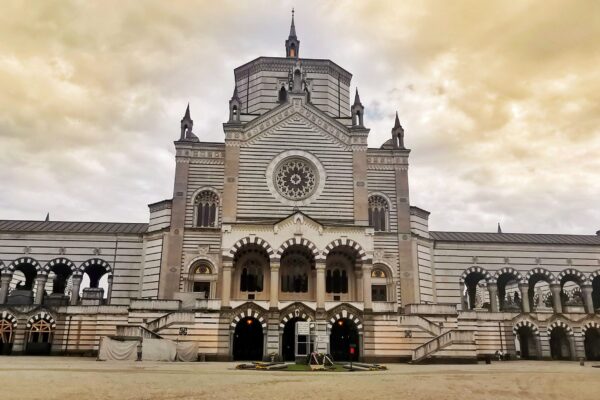
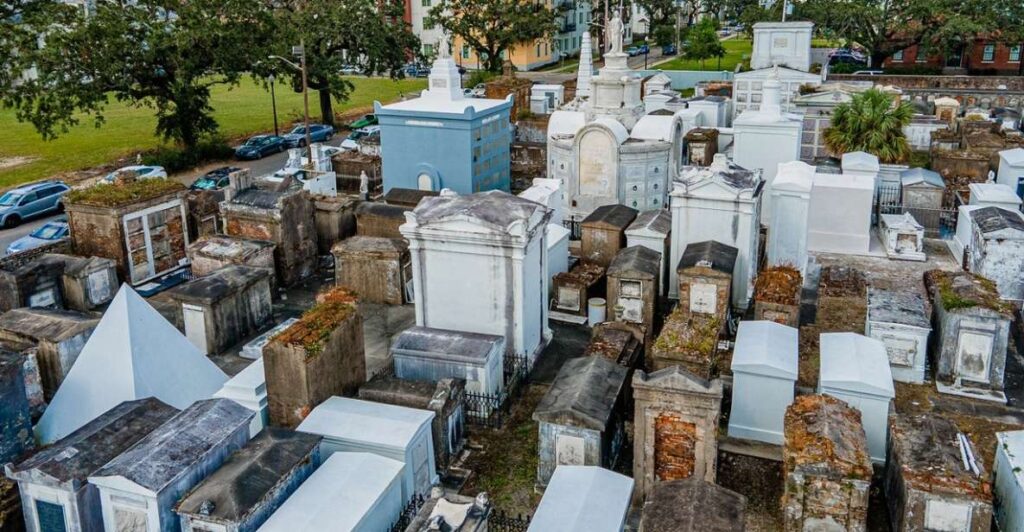
10. St. Louis Cemetery
No. 1 – New Orleans,
Louisiana, USA
Famous for its above-ground tombs and
unique architecture, it is an integral part
of New Orleans’ culture and folklore.
Visiting these cemeteries offers a unique
perspective on death and remembrance,
as well as an appreciation for history, art,
and culture. These final resting places are
notable not only for who is buried in them
but also for their stunning beauty and
tranquility.
For those interested in history and culture,
a trip to these iconic sites can be a deeply
enriching experience. Explore these
sanctuaries and discover the history that
lives in every corner.
Ancient tombs reveal the story
of Chinese history
Burial site distributions illustrate how people lived and
died over thousands of years.

PLOS—Tombs scattered across China,
built between the 4,000-year old Xia
Dynasty and the modern era, reflect
the political and social patterns of
Chinese history, according to a study
published October 29, 2025 in the
open-access journal PLOS One by
Quanbao Ma from the Beijing
University of Civil Engineering and
Architecture, China, and colleagues.
The research team mapped the location
of ancient tombs in China to search for
patterns in their distribution across the
country and throughout history. They
found that both socioeconomic factors
and geography may have influenced
where these burial sites are located.
For example, many of the surviving
tombs are from periods of Chinese
history with relative political and
economic stability, such as the Qin-Han
and Yuan-Ming-Qing dynasties. Times
of war and instability, like the Five
Dynasties era, are not as well
represented in the archaeological
record of tombs. The researchers note
that when people’s living standards
were high, they could likely spend
more time focusing on the afterlife.
Population trends might also have
influenced where tombs were built.
The researchers note, for example, that
war was common in northern China
from the late Eastern Han dynasty
through the Northern and Southern
dynasties. This led people to move
southward, and tombs from this era are
clustered in these southern locations.
Both the Chengdu-Chongqing and
Central Plains regions have a higher
number of surviving tombs. The
researchers note that Chengdu-
Chongqing has relatively flat land and
fertile soil, and the Central Plains have
flat land and plenty of water, which
would have helped ancient settlements
develop in these areas. Both areas are
also relatively humid, which likely
helped preserve artifacts inside the
tombs.
Burial sites represent an indispensable
source of cultural heritage knowledge,
the research team notes — and they
hope that this study will help provide
some of the scientific foundations
needed to preserve these tombs in the
future.
The authors add: “This study conducted
a systematic digital survey and analysis
of the spatiotemporal distribution
characteristics and influencing factors
of ancient tombs in China, revealing
their evolution patterns and influencing
factors, thus laying an important
theoretical foundation for building a
scientific and precise protection system.”
____________________________
The centroid shift trajectory of CATs across different
historical periods. Ma et al., 2025, PLOS One, CC-BY 4.0 (https://creativecommons.org/licenses/by/4.0/)
____________________________
Article Source: PLOS One news release
*Ma Q, Li Y, Yang Z, Zhao X, Li C, Shi Z,
et al. (2025) The spatiotemporal
distribution characteristics and
influencing factors of ancient tombs in
China: A study on the conservation of
ancient tombs in China.
PLoS One 20(10): e0333485.

No comments:
Post a Comment